
Early November saw Botswana accelerate diversification efforts even as the United States threatened to curtail duty‑free access for South Africa and Rwanda. Across the region, finance, energy and technology stories signal both regulatory pressure and new investment pipelines.
Botswana
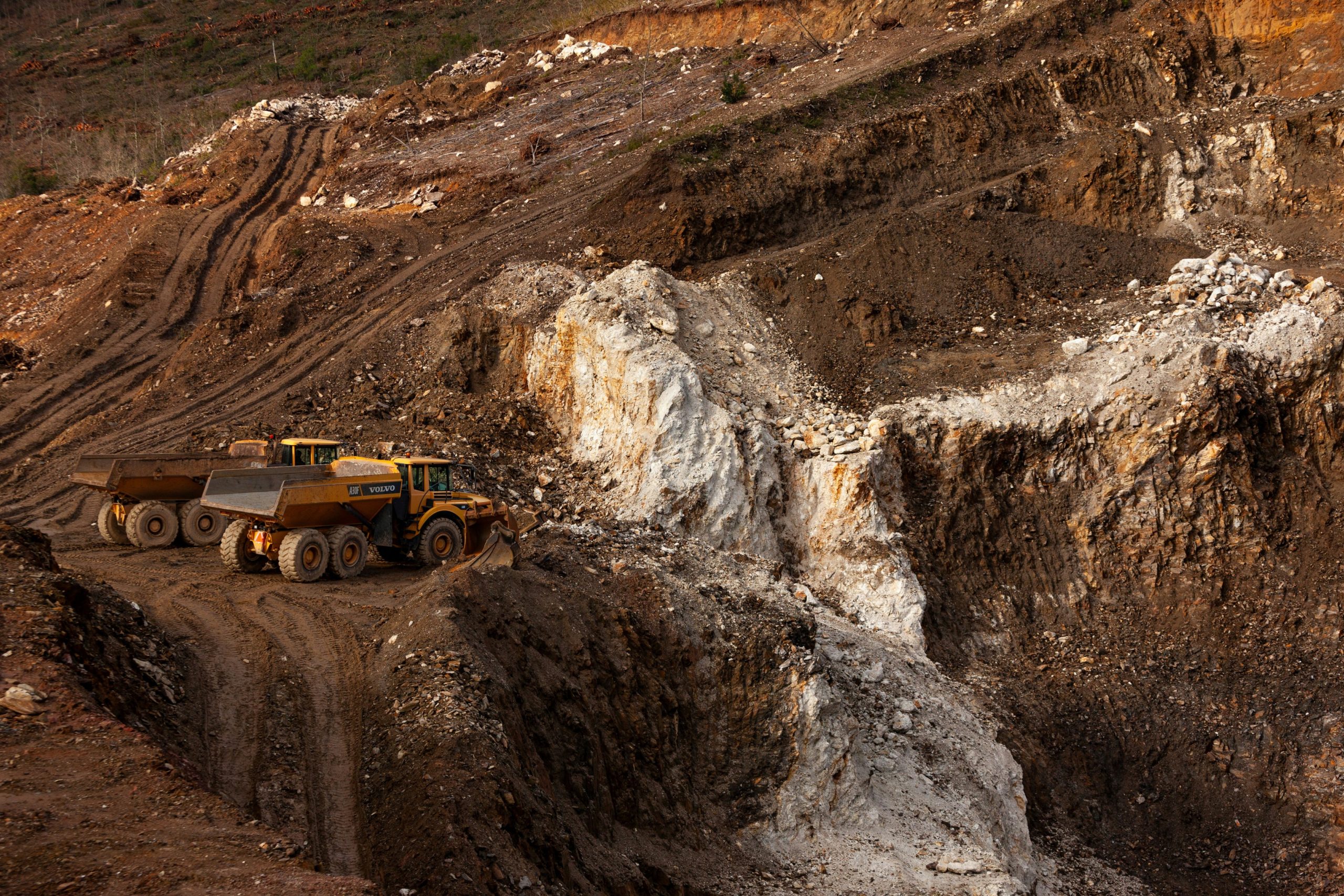
The government granted environmental authorisation for an AI‑driven miner to begin field work on two copper licences in Ngamiland, signalling a move toward high‑tech extraction methods.
President Duma Boko called for the removal of bureaucratic and regulatory barriers that continue to discourage investment, urging reforms to speed economic diversification.
In parallel, Botswana and China announced plans to deepen cooperation beyond traditional economic ties, targeting digital transformation, agriculture, livestock, healthcare and education.
Botwana and Qatar also outlined a bilateral agenda that includes trade, investment, energy, sports and economic transformation, aiming to boost mutual growth.
A business‑weekly analysis highlighted the shifting role of development finance, noting that it has moved from the margins to the centre of national economic strategy as Botswana navigates a consequential transition.
Southern and East Africa

The United States signalled its intent to suspend South Africa and Rwanda from its flagship duty‑free trade programme for sub‑Saharan Africa, a move that would affect South African auto parts, wine and Rwandan coffee exports.
South Africa’s National Treasury reported that the debt‑to‑GDP ratio peaked at 74.6% in 2025/26 and now expects it to fall below 70% by the 2032/33 fiscal year, a year earlier than previously forecast.
The African Export‑Import Bank and the African Petroleum Producers’ Organisation formally established the Africa Energy Bank with $5 billion in authorised capital, aimed at bridging a financing gap as traditional lenders withdraw from fossil‑fuel projects.
Critics of South Africa’s trillion‑rand Logistics Bill argued that the legislation adds cost pressures to moving goods, calling for a lighter regulatory load.
Private power registrations surged to 3.13 GW in the July‑September quarter, driven by large wind farms that expanded the pipeline nearly four‑fold compared with the previous quarter.
Global business and trade
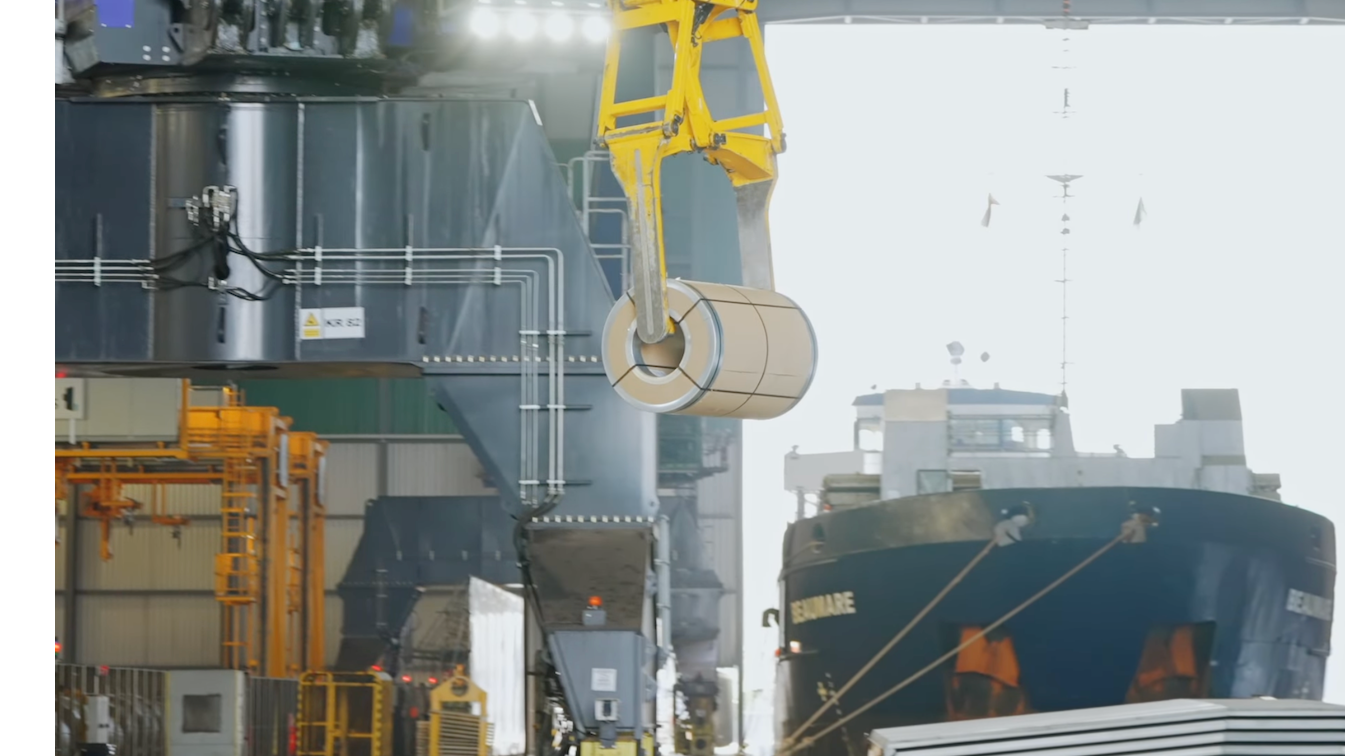
Maersk’s investment arm announced agreements to add more than 50 terminals to its international ports portfolio, extending its reach across Asia and Europe.
Business leaders in Mozambique urged the development of a Transport and Logistics Investment Roadmap through 2030, with priority projects and cost‑reduction targets to strengthen trade corridors.
The United Kingdom is preparing to expand live facial‑recognition surveillance at transport hubs, ports and major public events to track visa overstayers, focusing on nationals from Nigeria, India and South Africa.
Oil prices rose as investors weighed the risk of renewed US‑Iran military escalation following the US mid‑term elections.
Mexico recorded a September trade surplus of $96.3 billion with the United States, widening its lead as the top US trading partner for the month.
Artificial intelligence and technology
The United States committed the first $125 million of a five‑year, $625 million economic framework to bring American firms into Egypt’s energy, AI and infrastructure sectors.
Nigeria began revising its cyber laws to better detect fraud, digital deception and attacks on critical infrastructure, acknowledging that AI tools have made such threats harder to spot.
Fintech firm OPay, after an aborted IPO, is expected to reassess its strategy in preparation for a second listing attempt.
WayaWaya partnered with Choice Bank to launch AI‑powered banking services, expanding digital capabilities on its platform.
Moroccan‑founded ad‑tech startup Journify secured $12 million in Series A funding to accelerate US and European expansion and strengthen AI capabilities of its advertising data platform.
What it means for communications teams
- Highlight government reforms and tech approvals in Botswana as evidence of a diversification narrative for local stakeholders.
- Prepare messaging on potential US duty‑free suspension, emphasizing impact on affected export sectors and any mitigation steps taken by South African and Rwandan firms.
- Position finance‑related announcements – the Africa Energy Bank and South Africa’s debt trajectory – as opportunities for investors and development partners.
- Leverage AI and fintech developments (Egypt‑US pact, WayaWaya, Journify) to showcase regional innovation in media pitches and thought‑leadership pieces.
The days ahead
- Watch for the final US decision on suspending duty‑free access for South Africa and Rwanda, likely before the end of the month.
- Expect the Mozambican Transport and Logistics Investment Roadmap to be formally presented, setting project priorities through 2030.
- Anticipate further regulatory detail on President Duma Boko’s proposed investment‑barrier reforms, which could be tabled in upcoming parliamentary sessions.
- Monitor the rollout of live facial‑recognition technology in the UK, with pilot deployments at major transport hubs expected in the next few weeks.
- Likely continuation of private power registration growth as wind farm projects progress, influencing regional renewable‑energy narratives.
Sources
- AI-driven miner gets green light for copper fieldwork in Botswana · africaninsider.com
- Botswana and China strengthen relations beyond economic cooperation · dailynews.gov.bw
- Botswana and Qatar target trade and investment growth · dailynews.gov.bw
- STATE CAPITAL, MARKET DISCIPLINE: REPOSITIONING BDC FOR GROWTH, INDUSTRIALISATION AND REGIONAL RELEVANCE · businessweekly.co.bw
- President Duma Boko Calls for Removal of Investment Barriers to Accelerate Botswana’s Economic Diversification · botswanayouth.com
- US to suspend South Africa and Rwanda from duty-free trade access · polity.org.za
- Treasury expects debt-to-GDP ratio to fall below 70% by 2032/33 · polity.org.za
- African lenders formally establish $5bn energy bank · engineeringnews.co.za
- South Africa's Trillion-Rand Logistics Bill Needs to Lighten Its Load · engineeringnews.co.za
- Big wind farms drive a surge in private power registrations · techcentral.co.za
- Maersk eyes trade in deals for more than 50 terminals · freightwaves.com
- CTA calls for Transport and Logistics Investment Roadmap to strengthen Mozambique’s trade corridors in Africa · clubofmozambique.com
- UK deploys China-style surveillance to track visa overstayers as immigration crackdown tightens for Nigerians, Indians and South Africans · africa.businessinsider.com
- Oil prices rise as investors weigh renewed U.S.-Iran conflict risks after midterm elections · cnbc.com
- Mexico widens US trade lead with record $96.3B September · freightwaves.com
- US commits first $125 million of five-year, $625 million pact to bring American companies into Egypt’s energy, AI and infrastructure sectors · africa.businessinsider.com
- Nigeria is rewriting its cyber laws, can it stop hackers? · techcabal.com
- How OPay’s past shows how it will react after pulling IPO · techcabal.com
- WayaWaya taps Choice Bank to launch AI-powered banking services · techcabal.com
- Morocco’s Journify Secures $12M Series A to Drive AI Innovation and International Growth · techinafrica.com
Get Social Light Briefing by email.
The stories that matter and what to watch next, straight to your inbox. Subscribe free, or get a free media assessment to see what the media is saying about your organisation.